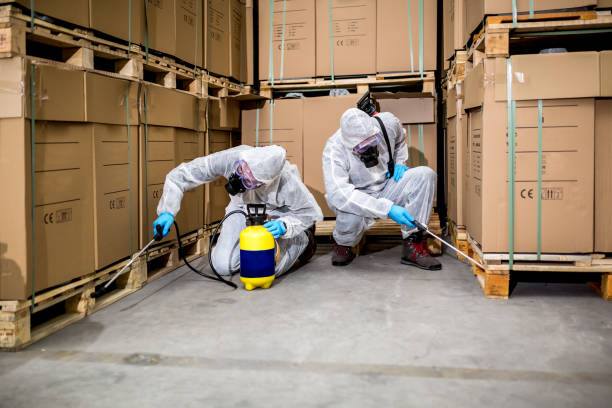
Pest Control At Home Woman Spraying Insecticide With Sprayer At Home pest control stock pictures, royalty-free photos & images

When dealing with pest-related issues, many people use the terms “pest control” and “exterminator” interchangeably. However, these two approaches to managing pests differ significantly in their methods, focus, and long-term effectiveness. Understanding these differences is essential for making informed decisions about protecting your home or business from unwanted invaders.

Defining Pest Control

  • Managing pest populations rather than eradicating them entirely.
  • Using integrated pest management (IPM) techniques that combine biological, physical, chemical, and cultural methods.
  • Promoting eco-friendly practices with minimal reliance on harsh pesticides.

Examples of pest control methods include sealing entry points, removing food sources, installing traps, and applying targeted treatments.

What Does an Exterminator Do?

  • A focus on immediate results rather than preventive measures.
  • Heavy reliance on pesticides or fumigation treatments.
  • Limited emphasis on long-term environmental sustainability.

While exterminators can be effective in removing pests during severe infestations, this approach may not prevent recurring problems if proactive measures are not implemented afterward.

Comparing Pest Control and Extermination

Aspect Pest Control Extermination
Focus Prevention and management Immediate eradication
Techniques Used Integrated pest management (IPM), eco-friendly solutions Chemical-based treatments
Long-Term Effects Reduces likelihood of reinfestation May require repeated interventions
Environmental Impact Minimal Potential for higher environmental harm

Which Approach Is Right for You?

The choice between hiring a pest control professional or an exterminator depends on your specific needs:
1. For immediate relief during severe infestations: An exterminator may be necessary to quickly eliminate problems like termite colonies or rodent outbreaks.
2. For sustainable protection over time: Opting for pest control services ensures both prevention and protection against future invasions without excessive use of chemicals.

Benefits of Choosing Pest Control Services

Taking a preventative approach through pest control offers several advantages:
– Reduces exposure to harmful chemicals in your living or working environment.
– Addresses root causes like structural vulnerabilities or food sources that attract pests.
– Minimizes overall costs by preventing recurrent infestations through strategic solutions.

By understanding how these two approaches differ, you can make informed decisions about protecting your space effectively while maintaining safety for people and pets alike.

Effective Pest Control Largo FL: Comparing Perimeter and General Coverage

When dealing with pests, homeowners are often presented with two common approaches: perimeter pest control and general pest control. While these methods share the ultimate goal of reducing or eliminating unwanted pests, the strategies, coverage areas, and techniques they employ differ significantly. Understanding these differences can help in selecting the most effective solution for your specific needs.

Effective Pest Removal Largo FL: Understanding Perimeter Pest Control

By applying treatments to these targeted zones, perimeter pest control minimizes the likelihood of infestation inside your living spaces. The primary benefit is that it reduces pesticide use indoors, making it a preferred choice for families with pets or small children.

Advantages of Perimeter Pest Control:

  • Prevents pests before they enter your home
  • Reduces dependency on interior treatments
  • Environmentally friendly by limiting pesticide application indoors
  • Targets common outdoor pests such as ants, spiders, and beetles

Effective Solutions from an Exterminator Largo FL for General Pest Control

General pest control takes a broader approach by addressing both indoor and outdoor spaces where pests may reside. It usually involves treating multiple areas within your home as well as external regions around the property. This method is particularly useful for eliminating active infestations or recurring problems caused by insects or rodents already within the structure.

largopestcontrolflorida.weebly.com

Key Areas Treated in General Pest Control:

Indoor Areas Outdoor Areas
Kitchens Gardens
Bathrooms Lawns
Basements Garages
Attics Sheds

General pest control services often use a combination of baits, traps, sprays, or other techniques to manage diverse types of pests such as cockroaches, termites, rodents, or bed bugs.

Effective Pest Control Services Largo FL: Understanding Perimeter vs. General Treatments

Both methods have their strengths but serve different purposes depending on the level of infestation and prevention goals.

Factors Perimeter Pest Control General Pest Control
Primary Focus Preventing entry into indoor spaces Treating both internal & external areas
Target Pests Ants, spiders, beetles Cockroaches, termites, bed bugs
Frequency Seasonal applications (typically) As-needed depending on infestations
Environmental Impact Lower due to reduced chemical usage May involve higher chemical use indoors

Choosing between these two approaches largely depends on personal preferences and specific challenges faced in a household.

Selecting the Right Option for Your Home

When deciding between perimeter pest control and general pest control services:
1. Evaluate whether you’re dealing with an active infestation (general pest control) or aiming for preventive measures (perimeter pest control).
2. Consider safety concerns regarding pesticide usage indoors if you have sensitive family members or pets.

3. Consult professional service providers who can assess your property’s unique requirements and recommend tailored solutions.

By understanding their differences comprehensively through this lens homeowners ensure effective investments toward healthy comfortable spaces .

Choosing the Best Pest Control Services for Comprehensive Protection

Selecting the right pest control service is an essential step in creating a safe, pest-free environment for your home or business. With so many options available, it can be challenging to identify which service is most effective for your specific needs. Below, we’ll examine critical factors to consider when choosing a professional pest control service and how to ensure comprehensive protection against pests.

Factors to Consider When Choosing Pest Control Services

  1. Determine whether you are dealing with a specific pest issue (e.g., termites, rodents, or ants) or require broad-spectrum pest management.
  2. Specialized services may be more effective if targeting a single species, while general pest control plans work well for ongoing prevention.
  3. Look for providers that offer thorough inspections before developing treatment plans.
  4. Customized solutions tailored to your property’s unique conditions can lead to better long-term results compared to generic one-size-fits-all treatments.
  5. Inquire about the type of pesticides and techniques used by the company, especially if you have children, pets, or environmental concerns.
  6. Consider eco-friendly options like Integrated Pest Management (IPM), which focuses on minimizing pesticide use through preventative measures and targeted treatments.
  7. Verify that the company is licensed in your state and employs trained professionals certified in pest management practices. This ensures compliance with safety protocols and industry standards.
  8. An experienced provider will have proven strategies backed by years of expertise.
  9. Choose a company with strong customer reviews that emphasize reliability, professionalism, and effectiveness.
  10. Many reputable services offer guarantees or re-treatment policies if pests return within a specified period.

Comparing One-Time Treatments vs Maintenance Plans

Feature One-Time Treatment Maintenance Plan
Best For Immediate pest outbreaks Long-term prevention
Cost Structure Single upfront payment Recurring (monthly/quarterly)
Service Scope Addresses current problem Regular inspections & updates
Customizable Options Limited More flexibility

For homes with persistent infestations or seasonal pests, maintenance plans often provide better overall value through continuous monitoring and prevention efforts.

Benefits of Professional Pest Control Services

  • Access to advanced tools and technology unavailable over-the-counter.
  • Expertise in identifying hidden infestations or underlying causes.
  • Peace of mind knowing treatments are applied safely by certified technicians.
  • Preventing structural damage from destructive pests like termites.

By carefully evaluating providers based on their expertise, treatment methods, service offerings, and customer reviews, you can select the best option for safeguarding your home or business from unwanted pests effectively over the long term.

How Professional Perimeter Pest Control Services Can Safeguard Your Home

Professional perimeter pest control services are a proactive and effective approach to protect your home from pests. Rather than waiting for infestations to occur, these services focus on creating a protective barrier around the exterior of your property, preventing pests from entering in the first place. This method is highly beneficial for homeowners looking to maintain a pest-free environment while avoiding reactive extermination methods. Below, we explore how perimeter pest control works, its benefits, and why it’s an ideal solution for safeguarding your home.

What is Perimeter Pest Control?
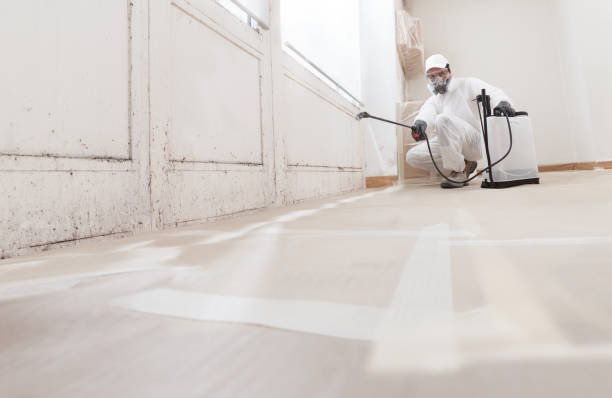
Mold remediation service: A professional worker spraying products to remove mold before house painting, clad in a protective suit and respirator mask, with a backpack sprayer at a home renovation site Mold remediation service: A professional worker spraying products to remove mold before house painting, clad in a protective suit and respirator mask, with a backpack sprayer at a home renovation site pest control stock pictures, royalty-free photos & images

Perimeter pest control involves the application of pesticides or repellents around the exterior foundation of a home or property. This treatment targets common entry points such as:
– Windows
– Door frames
– Foundation cracks
– Vents and utility openings

The primary goal is to prevent crawling insects, such as ants, spiders, centipedes, and other pests, from entering your indoor spaces. The treatments are typically applied several feet out from the foundation and along vertical surfaces where pests may climb.

Key Benefits of Professional Perimeter Pest Control

  1. Early Prevention: Stops infestations before they begin by focusing on external barriers.
  2. Eco-Friendly Options: Many professional services offer low-toxicity or natural treatments that are safe for families and pets while still being effective against pests.
  3. Long-Lasting Results: High-quality products used by professionals can last longer compared to store-bought sprays or traps.
  4. Customized Solutions: Professionals assess your specific property needs, accounting for factors like structural vulnerabilities and local pest types.
  5. Reduced Indoor Chemical Use: By focusing on external barriers, fewer chemicals need to be applied inside your home.

Common Pests Targeted by Perimeter Treatments

Pest Type Examples Entry Points Targeted
Crawling Insects Ants, spiders, cockroaches Foundation gaps, baseboards near walls
Flying Insects Wasps, mosquitoes Doors left open frequently
Seasonal Pests Boxelder bugs, stink bugs Window screens during migration seasons

Why Choose Professionals Over DIY?

While some homeowners may opt for do-it-yourself solutions for perimeter treatment, professional services offer superior results due to their expertise in identifying problem areas and using specialized equipment and products that are not available to consumers.

Here’s why professionals stand out:
– They conduct thorough inspections of your property to identify hidden vulnerabilities.

– They use commercial-grade products designed for long-term protection.

– Professionals provide ongoing maintenance plans tailored to seasonal changes in pest activity.

Maintenance Tips Between Treatments

To maximize the effectiveness of perimeter pest control services and keep your home protected year-round:

– Seal cracks in walls and foundations promptly.

– Keep landscaping trimmed back at least two feet from the house foundation.

– Fix any leaks that could attract moisture-loving pests like termites or silverfish.

Professional perimeter pest control is an investment in maintaining a healthy living environment while minimizing costly repairs caused by invasive pests over time.

How Professional Perimeter Pest Control Services Can Safeguard Your Home

Protecting your home from pests is crucial to ensure the safety of your family, maintain the structural integrity of your property, and avoid costly damages. Professional perimeter pest control services offer a targeted approach that acts as a protective barrier around your home to ward off common pests before they become a problem. Here’s how these services can help safeguard your living space effectively.

What is Perimeter Pest Control?

Perimeter pest control focuses on creating an external defense system around the outside of your property instead of simply addressing infestations within the home. Licensed professionals treat areas such as:
– The foundation of the building
– Window and door frames
– Crawl spaces and basements
– Nearby soil, mulch, and vegetation

This proactive service method prevents pests such as ants, spiders, cockroaches, beetles, earwigs, and other invaders from gaining entry into your house in the first place.

Key Benefits of Professional Perimeter Pest Control

  1. Unlike traditional pest control methods that target problems after they arise inside the home, perimeter treatments stop pests at their source before they enter. This lowers the likelihood of significant infestations indoors.
  2. Many pest control firms now use environmentally friendly products that minimize harm to beneficial insects like bees while effectively deterring harmful ones. This ensures safety for households with children or pets while protecting the ecosystem.
  3. Professionals assess factors such as local climate conditions, vegetation, and pest activity in your area to tailor treatments specifically for your property’s needs—a level of expertise hard to achieve with DIY methods.
  4. Addressing pests early through perimeter protection reduces expenses caused by repairs or extensive indoor extermination later on.

Typical Steps Involved in Perimeter Pest Control Services

Step Description
Inspection Experts evaluate potential entry points around windows, doors, vents, and foundation cracks for vulnerabilities.
Treatment Plan Based on findings, technicians design a custom plan using specific products targeting likely invaders.
Outdoor Application A chemical or natural product barrier is applied around structural perimeters (walls/foundations) and nearby landscaping.
Monitoring & Follow-Up Regular visits ensure that the protective barriers remain effective over time.

When Should You Consider Perimeter Pest Control?

Professional perimeter pest control services are ideal if you notice signs like:
– Recurring insect presence near entrances (doors/windows) despite basic maintenance
– Damage to outdoor structures or landscaping caused by burrowing insects or rodents
– Increased sightings of pests within crawl spaces or basements

Seasonal factors also play an essential role—spring/summer tend to bring heightened activity among ants/other insects where preventive solutions become particularly valuable.

By choosing this specialized service proactively rather than waiting until infestation occurs indoors—homeowners gain peace-of-mind knowing their property remains consistently protected year-round against unwelcome intruders without unnecessary risks associated w/ outdated techniques.


Confident Pest Control Worker With Pesticide Container Portrait Of Confident Pest Control Worker With Pesticide Container In Kitchen pest control stock pictures, royalty-free photos & images

Rodents, specifically rats and mice, are among the most common pests that cause significant problems in both residential and commercial spaces. Understanding how to identify, manage, and prevent infestations is critical for maintaining a safe and healthy environment. This guide provides a comprehensive overview of effective rodent control strategies.

Effective Pest Removal Largo FL: Protecting Your Home from Rodent Infestations

Before diving into management techniques, it’s essential to understand why rodent infestations are a serious concern.

  • Health Risks: Rodents can carry diseases like hantavirus, leptospirosis, and salmonella, which can spread to humans through contaminated food or surfaces.
  • Structural Damage: Rats and mice chew on electrical wires, insulation, wood, and other materials, posing risks of fires or costly repairs.
  • Food Contamination: These pests can infiltrate pantries and storage areas, contaminating food supplies with their urine or droppings.

Finding the Best Exterminator Largo FL for Rodent Infestations

Signs of Infestation Description
Droppings Small dark pellets found near food sources or in hidden corners.
Gnaw Marks Teeth marks on wood structures, wires, or packaging materials.
Nests Shredded paper or fabric used by rodents to build nests in isolated areas.
Scratching Noises Sounds coming from walls or ceilings during nighttime when rodents are active.
Grease Marks Smudges along walls caused by rodents’ oily fur as they travel the same paths.

Effective Pest Control Services Largo FL: Steps for Rodent Management

Rodents enter buildings through small gaps or openings around doors, windows, pipes, vents, or foundations.

To prevent access:

– Inspect your property thoroughly for any cracks or holes.

– Seal gaps larger than 1/4 inch with materials such as steel wool or caulk.

– Install door sweeps on exterior doors.

A clean environment reduces the availability of food sources for rodents:

– Store food items in airtight containers made of metal or thick plastic.

– Regularly dispose of trash in sealed bins.

– Clean up spilled food immediately and avoid leaving pet food out overnight.

Traps are highly effective when placed correctly:

– Use snap traps for immediate results; bait them with peanut butter or chocolate.

– Place traps near walls where rodent activity is suspected but avoid overcrowding them in one area.

– Avoid using poison unless absolutely necessary as it can pose risks to pets and humans.

Long-Term Solutions

While do-it-yourself measures can be effective for small infestations, larger problems often require professional intervention. Pest control experts have the tools and experience needed to eliminate rodents completely while preventing future infestations through advanced techniques such as exclusion services.

Rodent infestations, particularly involving rats and mice, can cause significant damage to your property and pose health risks to your household. Understanding the signs of an infestation and implementing the right actions can help you keep these pests at bay.

Identifying a rodent problem early is essential.

  • Gnaw Marks: Rats and mice gnaw on wood, wires, plastic pipes, or furniture to wear down their continuously growing teeth. Look for fresh gnaw marks around your home.
  • Scratching Noises: If you hear scratching or scuttling sounds in walls, ceilings, or under floorboards—especially at night—rodents could be active in those areas.
  • Nests: Rodents build nests using shredded materials such as paper, fabric, or insulation.

Steps to Address Rodent Infestations Effectively

Once an infestation is suspected or confirmed, taking immediate action helps prevent further damage and reduce health risks caused by rodents.

  1. Inspect all potential entry points around doors, windows, vents, pipes, and cracks.
  2. Look for droppings near food storage areas like pantries or kitchen cabinets.
  3. Check basements and attics for nests or evidence of activity.
  4. Seal Entry Points
    Effective rodent control starts with exclusion methods:
  5. Use steel wool to block small gaps (mice require only ¼ inch to squeeze through).
  6. Apply caulk on cracks around foundations.
  7. Install door sweeps on exterior doors.
  8. Clean Regularly for Sanitation Control Eliminating food sources makes your home less attractive to rodents:
  9. Store all food in airtight containers made of glass or metal.
  10. Clean up crumbs promptly from counters and floors.
  11. Dispose of garbage properly using sealed bins.
  12. Utilize Traps Strategically Traps can be effective when placed correctly:
  13. Snap traps work well for small populations; place them along known pathways.
  14. Live traps may be used if humane removal is preferred (ensure legal compliance in your region).
Trap Type Description Best Use Case
Snap Traps Traditional spring-loaded traps Small-scale infestations
Glue Boards Sticky traps that immobilize pests Monitoring low activity zones
Live Catch Traps Humane capture devices Relocation when permissible
  1. Monitor Results Regularly Continue inspecting for signs after implementing control measures to ensure no new activity occurs.

When to Seek Professional Help

While DIY efforts can resolve minor problems effectively when implemented correctly, large-scale infestations often demand professional pest control services due to their complexity. Delaying intervention may allow rodents time to breed further while increasing risks related both directly (e. g. , diseases) & indirectly (fire hazards from chewed wires).

By staying vigilant about early warning signs & adopting appropriate measures promptly , you’ll improve long-term protection against future reoccurrence effectively

Common Risk Factors That Attract Rodents and How to Minimize Them in Your Home

Rodents such as rats and mice are highly adaptive creatures, often thriving in human environments where food, water, and shelter are readily accessible. Identifying the factors that attract them is the first step in reducing the risk of an infestation. Below is a detailed guide to understanding these common risk factors, along with actionable strategies to minimize them.

1.Accessible Food Sources

Rodents are opportunistic feeders and can survive on small amounts of food. They are attracted to areas where food is easily available.

Common Attractants:

– Unsealed pantry items (e. g., cereal, grains, flour).

– Pet food left out overnight.

– Overflowing trash bins or uncovered trash bags.

– Fallen fruit from trees or vegetable gardens.

How to Minimize:

– Store all dry goods in airtight containers made of metal or thick plastic.

– Clean up crumbs and spills immediately in kitchens and dining areas.

– Avoid leaving pet food out for extended periods.

– Ensure outdoor garbage cans have tight-fitting lids and dispose of waste regularly.

– Rake up fallen fruit promptly if you have fruit-bearing trees.

2.Water Availability

Rodents need water for survival, making homes with standing water or leaky plumbing especially attractive.

Common Sources:

– Leaking faucets or pipes under sinks.

– Standing water from clogged drains or gutters.

– Pet water bowls left outside overnight.

How to Minimize:

– Fix leaks as soon as they are identified.

– Regularly clean gutters to prevent standing water buildup.

– Empty pet bowls at night and refill them during the day.

3.Cluttered Spaces Providing Shelter

Rats and mice seek cluttered spaces that offer warmth, protection from predators, and nesting opportunities.

Common Problem Areas:

– Piles of cardboard boxes or newspapers in garages or basements.

– Overgrown vegetation close to building foundations.

– Storage sheds with cluttered interiors.

How to Minimize:

– Keep storage areas organized by using clear plastic containers rather than cardboard boxes.

– Trim shrubs, bushes, or tree branches that come into contact with your home’s walls or roofline.

– Maintain a clean yard free of debris such as woodpiles, leaves, or unused equipment.

4.Structural Entry Points

Pest Control Pest control worker treats ground around the house. pest control stock pictures, royalty-free photos & images

Small openings around your home provide easy access for rodents looking for shelter during colder months.

Potential Entry Points:| Location | Description | |————————-|————————————————–| | Doors | Gaps under doors without weather stripping. | | Windows | Cracked windowpanes or damaged screens. | | Walls | Holes near pipes, vents, or utility connections. | | Roof | Damaged shingles or gaps in eaves/soffits.

How to Minimize:

1. Inspect your home thoroughly for any cracks, gaps, or holes larger than a quarter inch (mice can squeeze through very small spaces).

2. Seal entry points using steel wool followed by caulk; rodents cannot chew through steel wool effectively.

3. Install weather stripping at door thresholds to eliminate gaps under doors.

5.Neglected Landscaping

Yards with dense vegetation create ideal hiding spots and pathways for rodents seeking access to homes.

Key Attractants:

– Overgrown grass and weeds near walls or fences.

– Stacked firewood stored directly on the ground near buildings.

How to Minimize:

1. Keep grass mowed short and trim overgrown plants regularly.

2. Stack firewood at least 18 inches off the ground and several feet away from your house’s foundation.

By addressing these risk factors systematically through proper sanitation practices and proactive maintenance measures, you can significantly reduce the likelihood of attracting rodents into your home environment while maintaining a healthier living space overall.

Effective Strategies for Managing Rat and Mouse Infestations: Sealing, Sanitation, and Traps

When it comes to managing rat and mouse infestations, a multifaceted approach is essential. Rodents are not only destructive but also carry diseases that can pose serious health risks. Below are detailed strategies involving sealing entry points, proper sanitation practices, and the use of traps to address infestations effectively.

Sealing Entry Points

Rodents can squeeze through tiny openings as small as a quarter-inch in diameter. Identifying and sealing these entry points is one of the most critical steps in preventing access to your home or property.

  • Inspect Your Property:
    Conduct a thorough inspection of your home’s exterior, including foundations, walls, attics, basements, and vents.
  • Seal Small Openings:
    Use materials such as steel wool or copper mesh combined with caulking to block small gaps. Rodents cannot chew through these durable materials.
  • Repair Larger Gaps:
    Cracks in walls or around windows should be repaired with concrete or heavy-duty materials. Ensure door sweeps are installed on all exterior doors to eliminate gaps below them.
  • Protect Ventilation Areas:
    Cover vents and chimneys with metal mesh screens to prevent rodents from entering while maintaining proper airflow.

Sanitation Practices

Poor sanitation creates an ideal environment for rodents by providing easy access to food sources and hiding places. Taking steps toward cleanliness significantly reduces the likelihood of infestations.

  • Keep all food in airtight containers made of glass or heavy plastic.
  • Clean up spills immediately to avoid attracting pests.
  • Use trash bins with tight-fitting lids.
  • Remove garbage from your home frequently.
  • Minimize stored items in basements or attics where rodents may create nests.
  • Avoid leaving paper products or cardboard boxes unattended for long periods.
  • Clear Outdoor Spaces: Trim overgrown vegetation around your property’s perimeter that could serve as harborage areas for rodents. Keep firewood stacked at least 18 inches off the ground and away from walls.

Using Traps

Trapping is an effective method for addressing existing rodent populations inside homes when used correctly.

  • Snap traps: Reliable and widely available; suitable for both rats and mice.
  • Glue boards: Effective but should be placed carefully where children or pets cannot access them.
  • Live traps: Ideal if you prefer humane removal but require proper release far from human habitation areas.
Trap Type Advantages Disadvantages
Snap Traps Quick results; reusable Requires frequent checking
Glue Boards Easy setup; effective at trapping mice Can be less humane
Live Traps Humane option Requires relocation effort
  • Proper Placement:
    Place traps along walls where rodent activity has been observed (look for droppings or gnaw marks). Focus on areas close to food sources like kitchens or pantries.

Combining Strategies

For best results in managing infestations, integrate sealing efforts with thorough sanitation routines while strategically setting traps based on observed activity patterns. This comprehensive approach reduces the chance of reinfestation while addressing current issues effectively. If problems persist despite these measures, seeking professional pest control services may be necessary for long-term resolution.

Finding the Best Largo FL Pest Control Company for Effective Long-Term Solutions

Rodent infestations can be more than just a nuisance. They pose serious health risks, cause structural damage, and lead to contamination of food supplies. While DIY solutions may seem cost-effective and convenient, they are often insufficient for addressing the root causes of infestations. Professional pest control services offer long-term solutions that go beyond temporary fixes.

Expertise and Comprehensive Knowledge

Professional pest control technicians are trained to identify the type of infestation, its severity, and its root cause.

  • Understanding rodent behavior and nesting patterns.
  • Identifying entry points that are not easily visible to untrained eyes.
  • Recommending targeted solutions tailored to the specific infestation.

Advanced Tools and Techniques

Professionals use tools, technology, and methods that are far more effective than standard over-the-counter products available to homeowners.

  • Baiting Systems: Strategically placed bait stations designed to eliminate rodents safely while minimizing risk to non-target species.
  • Exclusion Measures: Sealing cracks, holes, and other entry points using durable materials like steel wool or metal sheeting.
  • State-of-the-Art Traps: High-efficiency trapping mechanisms designed for humane or expedited rodent removal.
Tool/Technique Purpose Benefits
Baiting Systems Targeted elimination of rodents Safe placement reduces risk of accidental exposure
Exclusion Measures Prevents future infestations Durable materials ensure long-term effectiveness
State-of-the-Art Traps Quick capture of rats or mice Humane options available

Customized Plans Based on Inspection

Every home or business is unique in its layout, environment, and vulnerability to pests.

  • The extent of the infestation.
  • Environmental factors such as proximity to food sources or water leaks.
  • Structural vulnerabilities like poor sanitation or inadequate sealing.

This tailored approach ensures that all aspects contributing to the infestation are addressed holistically.

Long-Term Prevention Strategies

  1. Educating homeowners about best practices for sanitation.
  2. Regularly inspecting properties for early signs of reinfestation.
  3. Applying environmentally friendly treatments that deter pests without harming humans or pets.

Peace of Mind with Guaranteed Results

Many professional pest control companies offer warranties or satisfaction guarantees for their services. This means customers have peace of mind knowing they’ll receive follow-up care if needed.

  • Professionals comply with local regulations regarding pesticide use.
  • They prioritize safety by using chemicals responsibly.

Cost-Efficiency in the Long Run

While DIY solutions may seem cheaper upfront, repeated failures often result in higher expenses over time due to recurring infestations or additional property damage caused by rodents. Investing in professional services saves money by providing a lasting solution right from the start.

In summary, relying on professional pest control services is critical when dealing with persistent rodent problems. Their expertise ensures thorough elimination combined with proactive measures that prevent recurrence—creating safer homes and work environments free from the hazards posed by rats and mice.


Exterminator Spraying Pesticide In Kitchen Exterminator In Workwear Spraying Pesticide With Sprayer pest control stock pictures, royalty-free photos & images

Aphids are among the most common agricultural and garden pests, causing significant damage to plants by feeding on their sap. Understanding their life cycle is essential for effectively managing infestations, as it provides insights into when they are most vulnerable to control measures.

The Life Cycle of Aphids

  1. During colder months, many aphid species lay overwintering eggs on plant stems or in soil crevices. These eggs are highly resilient to harsh weather conditions.
  2. When spring arrives and temperatures rise, the eggs hatch into nymphs.
  3. Once hatched, aphid nymphs resemble smaller versions of adult aphids but lack fully developed reproductive organs or wings (if applicable).
  4. They feed voraciously on plant sap using their specialized mouthparts known as stylets.
  5. Most aphid species reproduce asexually through parthenogenesis during warmer months.
  6. Adults can be winged or wingless depending on population density and environmental conditions.
  7. Winged adults can travel to new plants, spreading infestations over larger areas.
  8. Female aphids give live birth to genetically identical offspring without needing a male partner under favorable conditions.
  9. In late summer or fall, some species produce males and females for sexual reproduction before laying overwintering eggs.
Aphid Stage Key Characteristics Timing
Egg Dormant; survives cold weather Winter
Nymph Rapid growth; high feeding activity Spring/Summer
Adult (Wingless) Stationary; reproduces rapidly Throughout growing season
Adult (Winged) Disperses infestation High-density periods

Impacts of Aphid Damage on Plants

  • Sap Extraction: Aphids feed by puncturing plant tissues and siphoning nutrient-rich sap, leading to yellowing leaves, reduced vigor, stunted growth, and reduced crop yields.
  • Honeydew Deposition: As they feed, aphids excrete sticky honeydew that attracts sooty mold fungi. This fungal growth blocks light from reaching leaves, impairing photosynthesis.
  • Disease Transmission: Many types of aphids act as vectors for plant viruses like cucumber mosaic virus or barley yellow dwarf virus.
  • Deformation: Some species inject toxins that cause leaves to curl or distort fruits and flowers.

Signs of an Aphid Infestation

  • Clusters of small insects on undersides of leaves or newer growth
  • Sticky residue (honeydew) on plants’ surfaces
  • Ant activity around infested plants (ants are attracted to honeydew)
  • Yellowing foliage with curled or distorted edges
  • Black sooty mold patches forming on leaves

By gaining a clear understanding of the aphid life cycle and its effects on plant health, you can better strategize your pest management approach while minimizing damage caused by these persistent pests.

Top Tips for Pest Control Largo FL: Preventing and Managing Aphid Infestations

Aphids are among the most common pests that can cause significant damage to plants, both in agricultural settings and home gardens. Understanding effective strategies to prevent and manage aphid infestations is critical for maintaining healthy plants and minimizing crop loss. Below are actionable approaches categorized into preventive measures, natural controls, and intervention strategies.

Effective Preventive Measures with an Exterminator in Largo FL

Prevention is the first line of defense against aphid infestations. By creating an environment that is less favorable to aphids, you can reduce their chances of establishing themselves on your plants.

  • Choose Resistant Plant Varieties: Opt for plant species or cultivars known for their resistance to aphids.
  • Encourage Plant Diversity: Monocultures are more susceptible to pest buildup. Diversify your planting strategy to disrupt aphid feeding preferences.
  • Maintain Proper Plant Health: Healthy plants are less vulnerable to aphid attacks. Ensure proper watering, fertilization, and pruning practices.
  • Inspect New Plants: Check new plants carefully before introducing them into your garden or field. Aphids often hitchhike on nursery stock.

Effective Pest Control Services in Largo, FL

Biological control methods leverage natural predators and ecological balance to keep aphid populations in check without resorting to chemicals.

Predators of Aphids

Beneficial Insect Role in Control
Ladybugs (Ladybird Beetles) Consume large numbers of aphids rapidly
Lacewings Feed on soft-bodied pests like aphids
Hoverfly Larvae Target young or adult aphids
Parasitic Wasps Lay eggs inside aphids, killing them

Additionally: – Companion Planting: Grow plants that attract beneficial insects (e.g., dill, fennel, alyssum) near crops prone to aphid infestations. – Natural Repellents: Incorporate garlic, chives, or marigolds around susceptible crops as these plants can deter aphids.

Intervention Strategies

Physical Methods

  • Manual Removal: Use a strong stream of water from a hose to dislodge small populations from leaves.
  • Pruning Infested Areas: Cut off heavily infested branches or leaves to prevent further spread.

Homemade Remedies

  1. Mix 1 tablespoon of dish soap with 1 quart of water and spray directly onto affected areas.
  2. Use neem oil sprays as a plant-safe organic pesticide.

Chemical Controls

When natural or physical methods are insufficient:

– Apply insecticidal soaps made specifically for garden pests.

– Use systemic insecticides cautiously as a last resort while adhering strictly to label instructions.

Monitoring and Follow-Up

Regularly monitor your plants after implementing any control measure:

– Inspect undersides of leaves where aphids tend to congregate.

– Reapply homemade sprays weekly if necessary, until the population subsides.

By combining these strategies—prevention, biological control measures, timely interventions—you can effectively protect your plants from the harmful effects of an aphid infestation while maintaining ecological balance.

Tips from a Largo FL Pest Control Company on Monitoring Aphid Populations for Early Detection

Monitoring aphid populations is an essential step in managing pest infestations effectively. Early detection allows for timely interventions, reducing the risk of extensive plant damage. Below, we outline key approaches and techniques for monitoring aphid populations to ensure the health of your plants.

Why Monitoring Aphids Matters

Aphids are small, sap-sucking insects that can reproduce rapidly under favorable conditions. If left unchecked, their numbers can explode, leading to:
– Reduced plant vigor due to nutrient depletion
– Transmission of plant diseases, such as viruses
– The secretion of honeydew, which promotes mold growth and attracts other pests

Proactively monitoring aphids helps mitigate these risks while supporting sustainable pest control practices.

Methods for Monitoring Aphid Populations

There are several effective methods to monitor aphid activity. These include visual inspections, trapping techniques, and assessing plant health indicators.

  • Visual Inspection
    Regularly examine plants for signs of aphid presence:
  • – Check the undersides of leaves where aphids tend to cluster.
  • – Look for distorted or curling leaves, which often indicate feeding damage.
  • – Note the presence of sticky honeydew or black sooty mold on foliage.
  • Sticky Traps
    Sticky traps are an excellent tool for monitoring flying aphids:
  • – Place yellow sticky traps at varying heights around your plants.
  • – Inspect the traps weekly to assess the number and species of captured aphids.
  • – Replace traps as needed to maintain effectiveness.
  • Beat Sampling
    Beat sampling is a simple way to dislodge aphids onto a collection surface:
  • – Hold a white tray or piece of paper beneath plant foliage.
  • – Gently tap or shake branches and leaves.
  • – Count the number of dislodged aphids on the surface.
  • Assessing Plant Health Indicators
    Observe overall plant health regularly:
    | Indicator | Possible Aphid Activity |
    |——————|————————–|
    | Leaf Curling | Feeding on new growth |
    | Yellowing Leaves | Excessive sap removal |
    | Sooty Mold | Honeydew accumulation |

Timing and Frequency of Monitoring

The frequency of monitoring should align with environmental conditions:

– During peak growing seasons (spring and summer), inspect plants at least once per week since warm weather accelerates reproduction rates.

– In cooler months or dormant periods, monitor less frequently but remain vigilant if plants show stress symptoms.

Using Monitoring Data for Control Strategies

Tracking population trends helps determine when intervention is necessary. For example:
Low Population Levels: Focus on preventative measures like introducing beneficial insects (ladybugs or lacewings).
Moderate Populations: Consider targeted chemical controls like insecticidal soaps if natural predators are insufficient.
Severe Infestations: Employ integrated pest management (IPM) strategies by combining biological controls with selective pesticides.

By consistently monitoring aphid populations and acting early when thresholds are crossed, you can protect your plants while minimizing reliance on disruptive methods.

Exterminator working Professional exterminator in protective workwear spraying pesticide in apartment kitchen. pest control stock pictures, royalty-free photos & images

How to Monitor Aphid Populations for Early Pest Detection and Control

Monitoring aphid populations is a critical component of effective pest management. By identifying infestations early, you can prevent significant damage to plants and reduce the need for extensive control measures. Below is a detailed guide on how to monitor aphid populations effectively.

Importance of Monitoring Aphids

Early detection of aphids offers several advantages:
Prevention of plant damage: Aphids can spread plant diseases and weaken plants by feeding on their sap. Monitoring prevents long-term damage.
Reduction in pesticide use: Early identification can minimize the need for chemical treatments, supporting environmentally friendly pest management practices.
Cost savings: Proper monitoring reduces expenses related to excessive pesticide applications or replacing damaged crops.

Methods to Monitor Aphid Populations

Visual Inspection

Regularly inspect your plants for the following signs of an aphid infestation:
Presence of honeydew: A sticky substance excreted by aphids that often attracts ants or leads to sooty mold growth.
Distorted leaves or shoots: Curling, yellowing, or stunted growth may indicate feeding activity.
Aphid clusters: Check the undersides of leaves, stems, and flower buds where groups of aphids often congregate.

Use of Sticky Traps

Sticky traps provide a simple way to monitor flying aphid populations such as winged adults. Here’s how they work:
1. Place yellow sticky traps around your plants at different heights.

2. Check traps weekly for captured insects.

3. Use population trends from the traps to determine if action thresholds have been reached.

Trap Color Target Insect Behavior Purpose
Yellow Attracts flying adult aphids Detect population movements

Beat Sampling Technique

This involves gently tapping plant foliage over a white surface (like cardboard or paper) and examining dislodged insects for evidence of aphids.

Scouting Interval Recommendations

  • For high-risk crops (e.g., lettuce, beans), conduct weekly checks during peak growing season.
  • In greenhouse environments with controlled temperatures, consider daily inspections as conditions favor rapid reproduction.

Identifying Action Thresholds

Action thresholds refer to the level at which intervention is necessary based on pest population density. These thresholds vary depending on crop type and location but generally include: – Low thresholds in greenhouse crops due to rapid reproduction rates. – Higher thresholds in ornamental plants where aesthetic damage may be more acceptable.

Tools & Technology for Enhanced Monitoring

Advanced tools can aid in monitoring efforts:

1. Smartphone apps for recording insect counts over time and generating reports.

2. Magnifying lenses or handheld microscopes for identifying small nymph stages.

3. Data collected from remote sensing drones (for large-scale farming).

Final Recommendations

Successful monitoring combines frequent inspections with timely interventions based on threshold levels specific to your crop type and environment. This proactive approach helps protect plant health while minimizing environmental impacts through targeted control strategies.

Integrated Pest Management: A Sustainable Approach to Pest Control

Integrated Pest Management (IPM) is a comprehensive, environmentally responsible approach to managing pests that combines multiple strategies to minimize harm to ecosystems, humans, and beneficial organisms. By focusing on prevention, monitoring, and targeted interventions, IPM aims to reduce reliance on chemical pesticides while maintaining effective pest control.

Key Principles of Integrated Pest Management

  1. Prevention
    Prevention is the cornerstone of IPM. By addressing the underlying causes that lead to pest problems, you can minimize infestations before they begin:
  2. Use resistant plant varieties where possible.
  3. Maintain proper irrigation and drainage systems to avoid conditions favorable for pests.
  4. Rotate crops and diversify plantings to disrupt pest breeding cycles.
  5. Monitoring and Identification
    Regular monitoring helps identify pests early and prevents unnecessary treatments:
  6. Use tools such as sticky traps or pheromone traps.
  7. Inspect plants regularly for damage or signs of pest activity.
  8. Properly identify pests to determine appropriate control methods.
  9. Threshold-Based Action
    IPM emphasizes taking action only when pest populations exceed a certain threshold:
  10. Economic Threshold: Ensure interventions are cost-effective by weighing the damage caused by pests against the cost of control measures.
  11. Tolerance Levels: Consider how much pest presence your plants can sustain without significant yield loss.
  12. Multiple Control Techniques
    A combination of cultural, biological, mechanical, and chemical controls makes IPM effective:
Technique Description Example
Cultural Control Modify farming practices to discourage pests Crop rotation; proper sanitation
Biological Control Utilize natural predators or parasitoids Ladybugs for aphids; nematodes
Mechanical Control Remove or block pests physically Handpicking; insect barriers
Chemical Control Apply pesticides selectively as a last resort Spot treatments with targeted sprays

Benefits of Using Integrated Pest Management

  • Environmental Protection: Reduces pesticide runoff into water sources, protecting ecosystems.
  • Cost Efficiency: Preventative measures often lower long-term costs compared to repeated chemical applications.
  • Improved Crop Health: Promotes balanced ecosystems where beneficial insects thrive alongside crops.
  • Reduction in Resistance: Limits the overuse of chemicals that contribute to pesticide-resistant pest populations.

Steps for Successful Implementation

  1. Develop a site-specific IPM plan tailored to your crop type and location.
  2. Train workers or gardeners on correctly identifying pests and understanding intervention thresholds.
  3. Continuously evaluate outcomes by documenting pest levels before and after implementing strategies.

By integrating these principles into your approach, you can maintain healthy crops while minimizing environmental impact and fostering long-term sustainability in pest management practices.

Tips for Removing Weeds That Can Harbor Pests and Promote Infestations

Weeds are not only unsightly and competitive with desired plants, but they also serve as hosts for pests like insects and diseases. Removing weeds effectively is a crucial step in pest control, as these unwanted plants can provide shelter, food, and breeding grounds for various pests. Below are practical tips and strategies to address this issue while promoting a healthy growing environment.

Why Weeds Attract Pests

Weeds create an ideal habitat for pests in several ways:

Shelter: Dense weed growth provides hiding spots for insects such as aphids, mites, and whiteflies.

Alternative Food Sources: Many pests feed on weeds when primary crops or ornamental plants are unavailable.

Breeding Grounds: Some weeds enable rapid reproduction of pests due to their accessibility and proximity to crops or gardens.

Understanding the connection between weeds and pest infestations is the first step toward effective management.

Effective Weed Removal Methods

  1. Regular hand-pulling or hoeing can eliminate small-scale weed problems.
  2. Mowing prevents flowering and seed production in larger infested areas.
  3. Use tools like weeders or tillers to remove deep-rooted weeds effectively.
  4. Plant ground covers or mulch around crops to suppress weed growth.
  5. Maintain proper soil health by amending it with organic matter; healthy soils promote vigorous plant growth that competes with weeds.
  6. Implement crop rotation to prevent the dominance of certain weed species.
  7. Select herbicides appropriate for your specific landscape while avoiding harm to beneficial plants.
  8. Follow label instructions carefully to prevent overuse or contamination of nearby water sources.
  9. Use pre-emergent herbicides during early spring to stop weed seeds from germinating.

Best Practices When Removing Weeds

Adopting best practices ensures effective removal while reducing environmental impact:

– Remove weeds before they flower or set seeds to limit future infestations.

– Dispose of removed weeds properly; avoid composting invasive species as they may survive decomposition processes.

– Clean tools after use to prevent spreading seeds or pathogens from one area to another.

Common Weeds That Attract Pests

Weed Name Common Pests It Harbors
Dandelions Aphids
Pigweed Spider mites
Lambsquarters Leafhoppers
Bindweed Whiteflies
Ragweed Thrips

Being proactive about identifying these problematic species can help reduce the likelihood of infestations spreading in your garden or agricultural fields.

Long-Term Prevention Strategies

Preventing new weed growth is just as important as removing existing ones.

Consider these long-term solutions:

– Establish dense plantings that limit available space for weed establishment.

– Use landscaping fabric or biodegradable barriers around sensitive areas.

– Encourage natural predators like birds or beneficial insects that keep pest populations balanced.

By integrating thoughtful weed management practices into your pest control plan, you can protect your plants from stress caused by both competition and infestation.


Industrial pest control Industrial pest control pest control stock pictures, royalty-free photos & images

Termites are among the most destructive pests, with their colonies capable of causing extensive damage to homes and buildings. At the center of these colonies lies the queen termite, whose role is not only central but critical to the colony’s survival and expansion. Understanding key facts about queen termites can help homeowners adopt effective strategies to control and prevent infestations.

Important Information About Queen Termites and Pest Control Services Largo FL

  • The Life Span of a Queen Termite: Unlike worker termites that live for only a few years, queen termites can survive for decades under optimal conditions. This longevity allows them to sustain colonies over long periods.
  • Reproductive Capacity: A queen termite is an extraordinary egg-laying machine. She can produce anywhere from hundreds to thousands of eggs per day, resulting in exponential colony growth if left unchecked.
  • Physical Characteristics: The queen termite is significantly larger than other members of her colony. Her distinctive size and swollen abdomen (designed for egg production) make her easily identifiable in rare situations when she’s visible.
  • Colony Communication: The queen releases specific pheromones that regulate the behavior and roles of other termites within the colony, ensuring smooth operation and growth of their social structure.

Signs of Termite Infestation

  1. Mud tubes along walls or foundations.
  2. Hollow-sounding wood.
  3. Discarded wings near windows or doors (from swarmers).
  4. Small piles of frass (termite droppings resembling sawdust).
  5. Visible structural damage, such as cracked or bubbling paint.

Strategies to Control Termite Infestations

Preventative Measures

  1. Reduce Moisture Levels: Termites thrive in damp environments, so fix leaks in roofs, pipes, and faucets promptly.
  2. Eliminate Wood-to-Ground Contact: Direct wood-to-soil contact provides easy access for termites into your home’s structure.
  3. Store Firewood Properly: Keep firewood and other wooden materials elevated off the ground and away from your home’s foundation.
  4. Regular Inspections: Conduct frequent inspections around your property for signs of damage.

Treatment Methods

Treatment Type Description
Baiting Systems Bait stations are placed strategically around your property to lure termites into consuming a toxic substance that eradicates entire colonies over time.
Liquid Soil Treatments Specialized termiticides are applied around building foundations to create a chemical barrier that deters termite entry.
Fumigation In severe cases, fumigation may be required to eliminate large infestations within structures.

Role of Professional Pest Control

While DIY treatments may provide temporary relief from termites, professional pest control services ensure long-term results through advanced techniques like thermal imaging inspections, targeted application methods, and regular monitoring programs tailored specifically to your property’s needs.

By understanding the importance of queen termites within their colonies—and adopting a proactive approach toward prevention—you can protect your home from costly structural damages caused by these persistent pests.

How a Largo FL Pest Control Company Tackles Termite Queens and Prevents Infestations

The queen termite is the cornerstone of every termite colony, playing a vital role in its growth, development, and survival. By better understanding her functions and influence, property owners can grasp why managing termites effectively requires addressing the queen’s central role.

The Role of the Queen Termite

  1. The primary duty of the queen is reproduction. A mature queen can lay thousands of eggs daily, ensuring a steady population growth within the colony.
  2. Her ability to reproduce for years—sometimes decades—gives colonies remarkable longevity if left unchecked.
  3. The queen releases pheromones that regulate the behavior and development of other termites within the colony.
  4. These pheromones ensure a balanced caste system (workers, soldiers, and reproductive termites), which supports overall colony stability.
  5. Pheromones play an additional role in coordinating colony activities such as foraging for food, building tunnels, and protecting the nest from threats.

How Does This Impact Infestations?

  • Rapid Population Growth: With her extraordinary reproductive potential, even small colonies can grow exponentially within months. A single termite queen is capable of laying millions of eggs over her lifetime.
  • Widespread Damage: As worker termites feed on wood to support their growing numbers, structural damage to homes becomes more severe over time.
  • Difficult Control: Because she remains hidden deep within nests or underground tunnels, targeting and removing a queen can be challenging without professional intervention.

Importance of Addressing the Queen During Treatment

Effective termite control strategies must prioritize neutralizing or removing the queen to disrupt reproduction cycles. Failing to do so will likely lead to recurring infestations as new generations continue to emerge.

Key Strategies for Managing Queen Termites

  1. Baiting systems are designed to attract worker termites who carry bait laced with slow-acting pesticides back to their nest.
  2. This strategy eventually eliminates both workers and reproductive members—including queens—within a colony.
  3. Soil-applied termiticides create barriers that prevent subterranean termites from entering structures or spreading further into properties.
  4. These treatments indirectly affect queens by starving colonies reliant on external food sources.
  5. Specialists may locate nests using advanced tools like thermal imaging or acoustic devices before applying targeted treatments that destroy entire colonies at their source.
  6. Combining different techniques—such as monitoring stations, physical barriers, and chemical treatments—ensures comprehensive protection against both current infestations and future risks.
Method Targeted Action Ideal For
Baiting Systems Eliminates workers; disrupts feeding Subterranean termite infestations
Soil Treatments Blocks entry points Preventative measures around structures
Direct Nest Removal Destroys colonies directly Severe infestations with identified nests
IPM Plans Long-term prevention & mitigation Comprehensive pest management

Professional Assistance Matters

Given how integral queens are to termite colonies’ survival, professional pest control services are crucial when dealing with infestations. Experts have access to specialized tools and knowledge required not only to locate hidden nests but also to eliminate queens effectively without risking further property damage.

By focusing efforts on disrupting this key figure within termite hierarchies, long-term relief from invasions becomes achievable while minimizing potential harm caused by untreated populations thriving under undisturbed conditions.

From One Queen Termite to a Major Infestation: How Colonies Spread Quickly

Termites are among the most destructive pests, and their ability to spread rapidly can be traced back to one pivotal figure in the colony—the queen termite. The queen plays a vital role in the growth and expansion of termite colonies. Understanding how these colonies spread from a single queen can help homeowners take preventative measures and control infestations before they become unmanageable.

The Role of the Queen Termite in Colony Growth

  • Egg Production: A queen termite has an impressive ability to lay thousands of eggs daily, ensuring that the colony grows at an exponential rate.
  • Longevity: Queens can live for decades, continuing to reproduce for years and sustaining the colony’s population.
  • Chemical Communication: The queen emits pheromones that regulate behavior within the colony, influencing worker termites, soldiers, and even future reproductive termites.

The combination of high egg production rates and longevity enables a single termite colony to grow quickly. Over time, this can lead to major infestations if left unchecked.

How Colonies Expand Beyond Their Origin

  1. During certain seasons, typically in warm weather or after rainfall, mature colonies produce winged termites called alates.
  2. Alates leave their original colony in swarms, mate mid-air, and form new colonies elsewhere.
  3. Termites build extensive underground networks of tunnels that allow them to reach new food sources.
  4. These tunnels often extend far beyond the initial nest location.
  5. In some cases, secondary satellite nests are established when resources become scarce or when environmental conditions favor expansion.

This rapid spread highlights how even one undetected queen termite can lead to significant damage over time.

Factors That Accelerate Colony Growth

Factor Impact on Colony Growth
Wood Moisture High moisture levels attract termites and boost reproduction rates.
Proximity to Food Sources Easy access to wood or cellulose-based materials enables faster population growth.
Climate Conditions Warm temperatures promote swarming activities and year-round activity in tropical regions.

Preventing Rapid Termite Infestations

  • Eliminate Moisture Sources: Repair leaks and ensure proper drainage around your home.
  • Remove Wood-to-Ground Contact: Avoid direct contact between wooden structures and soil by using concrete barriers or treated materials.
  • Inspect Regularly: Conduct routine inspections for mud tubes, discarded wings from swarms, or other signs of activity.
  • Seal Entry Points: Close gaps around utility lines or cracks in foundations where termites may enter unnoticed.

These preventative strategies can minimize risks associated with spreading termite populations while protecting your property from long-term damage caused by this destructive pest.

Understanding how even one queen termite contributes significantly to infestation growth underscores why early detection is crucial when dealing with termites.

Effective Pest Removal Largo FL: Identifying, Preventing, and Controlling Termite Infestations

Termite infestations can cause significant structural damage to homes if left untreated. Understanding how to identify the signs of an infestation, take preventive measures, and implement effective control techniques is critical for protecting your property from these destructive pests.

Identifying a Termite Infestation

  • Mud Tubes: These are thin tunnels made from soil and saliva that termites use to travel between their nest and food sources.
  • Discarded Wings: After swarming, reproductive termites (alates) shed their wings near windowsills or entry points.
  • Damaged Wood: Termites hollow out wood from the inside, creating a honeycomb-like pattern that weakens its structure.
  • Clicking Sounds: Worker termites make faint clicking noises while eating wood. Soldier termites may also produce sounds to signal danger.
  • Frass (Termite Droppings): Drywood termites leave small, pellet-like droppings near infested areas.

Regular inspections of your home’s foundation, crawl spaces, wooden structures, and attic can help you detect these warning signs early.

Preventing Termite Infestations

  1. Fix leaking pipes or faucets promptly.
  2. Ensure proper drainage around your home’s foundation.
  3. Use dehumidifiers in basements or other damp areas.
  4. Keep firewood and wooden debris stored off the ground and away from your home.
  5. Use concrete or metal supports for wooden structures like decks or fences.
  6. Repair cracks in the foundation or walls.
  7. Install weatherstripping on doors and windows.
  8. When building or renovating, choose pressure-treated wood resistant to termite damage.
  9. Have a professional pest control company inspect your property annually for early signs of termites.
Prevention Method Purpose Recommendation
Reduce moisture levels Eliminates conditions favorable to termites Address leaks & improve drainage
Eliminate wood-to-ground contact Reduces access to food sources Store firewood off-ground
Seal entry points Prevents termite intrusion Repair cracks & gaps
Use treated wood Deters termite activity Opt for pressure-treated materials

Controlling an Active Infestation

  1. Liquid termiticides can be applied around your home’s foundation to create a barrier that kills termites on contact.
  2. These stations contain slow-acting toxins that workers carry back to the colony, eliminating it over time.
  3. Whole-house fumigation may be necessary for severe infestations caused by drywood termites.
  4. Consider using nematodes or boric acid as eco-friendly alternatives; however, these methods may not completely eradicate colonies.
  5. A licensed pest control company has access to specialized tools and expertise required for thorough termite elimination.

By combining prevention strategies with swift action when an infestation is identified, homeowners can effectively protect their property from costly termite damage over time. Always consult with professionals when dealing with larger infestations or structural concerns caused by these pests.

Effective Solutions from a Trusted Exterminator Largo FL to Safeguard Your Home

Termites are among the most destructive pests, capable of causing severe damage to homes and other structures. At the heart of every termite colony is the queen termite, whose ability to reproduce can lead to rapid infestations if left unchecked. Understanding how to protect your home from these pests and their queens is essential for long-term property health.

The Role of the Queen Termite in a Colony

  • Reproductive Capacity: A queen termite can lay thousands of eggs daily, leading to exponential population growth.
  • Longevity: Queen termites can live for decades, continuously reproducing throughout their lifespan.
  • Colony Coordination: The queen emits pheromones that regulate colony behavior, ensuring that workers, soldiers, and reproductives fulfill their specific roles.

By understanding the central role of the queen termite in an infestation, homeowners can better grasp why addressing this pest at its source is so important.

Signs of a Termite Infestation

Confident Pest Control Worker Wearing Cap Portrait of happy pest control worker wearing cap while standing against truck pest control stock pictures, royalty-free photos & images

  • Mud Tubes: Subterranean termites construct mud tubes along walls or foundations as protective pathways.
  • Discarded Wings: Swarmers (reproductive termites) shed their wings near windowsills or entry points after mating flights.
  • Hollow Wood: Tapping on wood that sounds hollow could indicate internal damage caused by termites.
  • Frass (Termite Droppings): Piles resembling sawdust or coffee grounds around wooden structures may signal drywood termite activity.

Preventative Measures for Homeowners

  1. Repair leaky pipes, faucets, and gutters promptly.
  2. Ensure proper drainage around the foundation.
  3. Use dehumidifiers in crawl spaces or basements prone to excess moisture.
  4. Keep firewood stored away from your home’s exterior walls.
  5. Avoid burying wooden debris near your property’s foundation.
  6. Inspect for cracks in the foundation and seal them with caulk or another appropriate material.
  7. Fix loose window frames or gaps around doorways where termites could enter.
  8. Trim vegetation so it does not directly touch your house.
  9. Keep mulch at least 12 inches away from your foundation as it provides a food source for termites.

Professional Pest Control Services: A Critical Line of Defense

Technique Description
Baiting Systems Strategically placed baits attract termites and disrupt colonies over time.
Liquid Barrier Treatments Chemicals applied around a home’s perimeter create a barrier against termites entering.
Fumigation In severe cases, fumigation targets large infestations effectively within enclosed spaces.

By addressing both visible signs of activity and targeting hidden colonies (including eliminating queen termites), professionals ensure comprehensive control over infestations.

Why Early Action Matters

When it comes to protecting your home from destructive termites and their queens, time is critical. Early action can save thousands in potential repair costs by minimizing structural damage before it becomes severe. By combining proactive prevention with expert pest control services when necessary, you can safeguard your property against one of nature’s most damaging pests long-term.

Protect Your Home from Destructive Termites and Their Queens

Termites, often dubbed “silent destroyers,” can wreak havoc on your home if left unchecked. At the heart of a termite colony lies the queen termite, whose sole purpose is to reproduce and expand the colony. Protecting your home from termites requires understanding their behavior, identifying signs of infestation, and implementing proactive measures to eliminate these pests.

Why Queen Termites Are a Critical Threat

  • Unparalleled reproduction rate: A queen termite can lay thousands of eggs daily, ensuring the rapid expansion of her colony.
  • Longevity: Some queen termites can live for up to 20 years or more, continuously producing offspring throughout their lifespan.
  • Indirect damage through workers: While queens do not physically cause damage to structures, their offspring (workers) are responsible for chewing through wood, weakening building foundations.

Given this central role in infestation dynamics, targeting and controlling queens is crucial to effectively protecting your property from termites.

Key Strategies for Homeowners

  1. Fix leaking pipes or faucets promptly.
  2. Ensure proper drainage around the foundation.
  3. Use dehumidifiers in crawl spaces or basements prone to dampness.
  4. Close cracks in foundations and walls with caulk or other sealants.
  5. Install fine mesh screens over vents to prevent entry into attics or crawl spaces.
  6. Repair damaged roofing materials that could serve as entry points.
  7. Keep firewood stored at least 20 feet away from your home.
  8. Clear debris such as dead trees or stumps near your property.
  9. Avoid using untreated wood for outdoor structures like decks or fences.
  10. Inspect wooden structures indoors and outdoors for signs like hollow sounds or mud tubes.
  11. Look out for discarded wings near windowsills—a clear indicator of swarming termites.

Professional Pest Control Is Essential

Benefit Description
Expertise Pest control professionals have experience identifying termite species and customizing treatments accordingly.
Specialized Equipment Tools like infrared cameras detect hidden colonies inside walls.
Long-Term Solutions Professionals use advanced baits and termiticides that target both workers and the queen.

By combining homeowner diligence with expert assistance, you can safeguard your property against destructive termites while addressing root causes such as active colonies led by reproducing queens.

Final Thoughts on Prevention Efforts

Protecting your home requires vigilance in both prevention efforts and timely intervention during infestations. By understanding how queen termites drive colony growth—and taking appropriate countermeasures—you can minimize structural damages, financial losses, and stress caused by these persistent pests.

Key Facts About Queen Termites and Their Role in Widespread Infestations

Queen termites are among the most fascinating and critical members of a termite colony. Their role goes beyond reproduction, influencing the colony’s growth, sustainability, and potential to cause widespread infestations. Understanding these key facts about queen termites can shed light on their significance and help homeowners take proactive steps to protect their properties.

The Role of the Queen Termite

The queen termite is the central figure in any termite colony. Her primary function includes:
Reproduction: A single queen termite can lay thousands of eggs daily, ensuring a steady growth of the colony’s population.
Colony Regulation: The queen emits pheromones that regulate the behavior and development of other termites within the colony, including workers, soldiers, and secondary reproductive termites.
Colony Longevity: Queens can live for decades under optimal conditions, making them key players in sustaining colonies over long periods.

How Queen Termites Contribute to Widespread Infestations

  1. Exponential Population Growth: With thousands of eggs being laid regularly, colonies expand at an alarming rate. Large colonies can contain hundreds of thousands or even millions of termites within a short span of time.
  2. Establishment of Satellite Colonies: Mature colonies may produce alates (winged reproductive termites) that leave to establish new colonies elsewhere. This spread is driven by queens establishing new settlements in favorable environments.
  3. Structural Damage: Increased colony size leads to more workers actively feeding on wood structures, causing extensive property damage over time.
Key Metric Impact
Eggs laid by queen daily Up to 30,000
Lifespan of a queen Up to 25+ years
Colony size potential Hundreds of thousands to millions

Indicators of a Queen’s Presence Nearby

Detecting signs that indicate an active termite infestation often means addressing the source—the queen herself:

– Presence of discarded wings near windows or doors (signs alates have left for mating flights).
– Mud tubes along walls or foundations created by worker termites for protection while traveling.

– Hollow-sounding wood or visible structural damage caused by feeding activity.

Strategies for Managing Queen Termites

  1. Professional Inspection: A pest control specialist is essential for locating termite queens since they reside deep within colonies or hidden areas like soil or walls.
  2. Baiting Systems: These systems target entire colonies by introducing toxins consumed by workers and ultimately reaching the queen.
  3. Soil Treatments: Chemical barriers applied around homes prevent termites from accessing structures while targeting existing nests underground.
  4. Regular Monitoring: Ongoing inspections help detect early signs before infestations grow uncontrollably.

Understanding these key aspects about queen termites highlights why addressing them directly is crucial during pest control efforts. Ignoring these factors could result in further spread and significant structural damage over time if left unattended.

Key Facts About Queen Termites and Their Role in Widespread Infestations

Queen termites are at the heart of every termite colony, playing a critical role in the growth and survival of their colonies. Understanding their biology, behavior, and impact on infestations provides valuable insights into how to manage and eliminate termite problems. Below are key facts about queen termites and their role in widespread infestations.

Biology of Queen Termites

  1. Queen termites are significantly larger than other termites, often growing up to 4 inches long depending on the species.
  2. They have an exceptionally long lifespan, sometimes living for over 20 years under optimal conditions.
  3. A mature queen termite can lay thousands of eggs every day, contributing to the rapid expansion of a colony.
  4. Over her lifetime, she may produce millions of offspring, making her one of the most prolific reproducers in nature.
  5. A termite queen starts as a nymph before undergoing physical changes that enable her to become the primary egg-laying individual in the colony.
  6. Her body swells significantly to accommodate her high reproductive output.

The Role of Queen Termites in Colony Expansion

  • Egg Production: The queen’s primary function is laying eggs that replenish worker termites, soldiers, and future reproductive alates (winged termites). This ensures that colonies thrive even under environmental challenges or after disturbances such as pest control treatments targeting non-reproductive members.
  • Chemical Communication: Queens release pheromones that regulate the behavior and roles of other termites within the colony. These chemical signals maintain order by designating specific tasks for workers or preventing others from developing into reproducing adults.

How Colonies Spread Through Reproductive Swarms

When colonies grow too large or environmental conditions favor expansion:

– Winged reproductive alates develop from nymphs.

– These winged termites leave their parent nest during swarming season (often spring or summer) to mate and establish new colonies.

– A single mated pair can start a new infestation anywhere they find suitable wood or soil conditions.

The exponential growth potential stemming from one queen termite highlights why infestations can escalate rapidly when left untreated.

Effective Control Methods Targeting Queen Termites

To effectively manage termite infestations caused by queens:

1. Direct Treatment Methods:

– Use baiting systems strategically placed near active infestations; these often contain slow-acting toxins carried back to the nest by worker termites.

– In some cases, professional pest control services may inject specialized termiticides directly into nests suspected to house queens.

  1. Breaking communication between queens and workers using targeted pesticides disrupts pheromone signaling.
  2. Physical removal or destruction of nests where queens reside may halt reproduction entirely.
  3. Reduce sources of moisture around your home’s foundation since damp environments attract subterranean colonies.
  4. Eliminate wood-to-soil contact by elevating wooden structures such as decks or fences above ground level.
Method Effectiveness Professional Assistance Needed?
Baiting Systems High Yes
Direct Nest Injection Very High Yes
Barriers (Physical/Chemical) Moderate Optional

By focusing efforts on eliminating queens specifically, property owners can prevent further spread while addressing existing infestation threats more comprehensively.