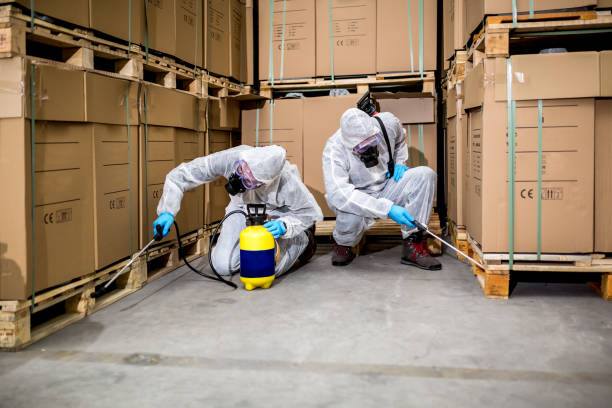
When dealing with pest-related issues, many people use the terms “pest control” and “exterminator” interchangeably. However, these two approaches to managing pests differ significantly in their methods, focus, and long-term effectiveness. Understanding these differences is essential for making informed decisions about protecting your home or business from unwanted invaders.
Defining Pest Control
- Managing pest populations rather than eradicating them entirely.
- Using integrated pest management (IPM) techniques that combine biological, physical, chemical, and cultural methods.
- Promoting eco-friendly practices with minimal reliance on harsh pesticides.
Examples of pest control methods include sealing entry points, removing food sources, installing traps, and applying targeted treatments.
What Does an Exterminator Do?
- A focus on immediate results rather than preventive measures.
- Heavy reliance on pesticides or fumigation treatments.
- Limited emphasis on long-term environmental sustainability.
While exterminators can be effective in removing pests during severe infestations, this approach may not prevent recurring problems if proactive measures are not implemented afterward.
Comparing Pest Control and Extermination
| Aspect | Pest Control | Extermination |
| Focus | Prevention and management | Immediate eradication |
| Techniques Used | Integrated pest management (IPM), eco-friendly solutions | Chemical-based treatments |
| Long-Term Effects | Reduces likelihood of reinfestation | May require repeated interventions |
| Environmental Impact | Minimal | Potential for higher environmental harm |
Which Approach Is Right for You?
The choice between hiring a pest control professional or an exterminator depends on your specific needs:
1. For immediate relief during severe infestations: An exterminator may be necessary to quickly eliminate problems like termite colonies or rodent outbreaks.
2. For sustainable protection over time: Opting for pest control services ensures both prevention and protection against future invasions without excessive use of chemicals.
Benefits of Choosing Pest Control Services
Taking a preventative approach through pest control offers several advantages:
– Reduces exposure to harmful chemicals in your living or working environment.
– Addresses root causes like structural vulnerabilities or food sources that attract pests.
– Minimizes overall costs by preventing recurrent infestations through strategic solutions.
By understanding how these two approaches differ, you can make informed decisions about protecting your space effectively while maintaining safety for people and pets alike.
Effective Pest Control Largo FL: Comparing Perimeter and General Coverage
When dealing with pests, homeowners are often presented with two common approaches: perimeter pest control and general pest control. While these methods share the ultimate goal of reducing or eliminating unwanted pests, the strategies, coverage areas, and techniques they employ differ significantly. Understanding these differences can help in selecting the most effective solution for your specific needs.
Effective Pest Removal Largo FL: Understanding Perimeter Pest Control
By applying treatments to these targeted zones, perimeter pest control minimizes the likelihood of infestation inside your living spaces. The primary benefit is that it reduces pesticide use indoors, making it a preferred choice for families with pets or small children.
Advantages of Perimeter Pest Control:
- Prevents pests before they enter your home
- Reduces dependency on interior treatments
- Environmentally friendly by limiting pesticide application indoors
- Targets common outdoor pests such as ants, spiders, and beetles
Effective Solutions from an Exterminator Largo FL for General Pest Control
General pest control takes a broader approach by addressing both indoor and outdoor spaces where pests may reside. It usually involves treating multiple areas within your home as well as external regions around the property. This method is particularly useful for eliminating active infestations or recurring problems caused by insects or rodents already within the structure.
largopestcontrolflorida.weebly.com
Key Areas Treated in General Pest Control:
| Indoor Areas | Outdoor Areas |
| Kitchens | Gardens |
| Bathrooms | Lawns |
| Basements | Garages |
| Attics | Sheds |
General pest control services often use a combination of baits, traps, sprays, or other techniques to manage diverse types of pests such as cockroaches, termites, rodents, or bed bugs.
Effective Pest Control Services Largo FL: Understanding Perimeter vs. General Treatments
Both methods have their strengths but serve different purposes depending on the level of infestation and prevention goals.
| Factors | Perimeter Pest Control | General Pest Control |
| Primary Focus | Preventing entry into indoor spaces | Treating both internal & external areas |
| Target Pests | Ants, spiders, beetles | Cockroaches, termites, bed bugs |
| Frequency | Seasonal applications (typically) | As-needed depending on infestations |
| Environmental Impact | Lower due to reduced chemical usage | May involve higher chemical use indoors |
Choosing between these two approaches largely depends on personal preferences and specific challenges faced in a household.
Selecting the Right Option for Your Home
When deciding between perimeter pest control and general pest control services:
1. Evaluate whether you’re dealing with an active infestation (general pest control) or aiming for preventive measures (perimeter pest control).
2. Consider safety concerns regarding pesticide usage indoors if you have sensitive family members or pets.
3. Consult professional service providers who can assess your property’s unique requirements and recommend tailored solutions.
By understanding their differences comprehensively through this lens homeowners ensure effective investments toward healthy comfortable spaces .
Choosing the Best Pest Control Services for Comprehensive Protection
Selecting the right pest control service is an essential step in creating a safe, pest-free environment for your home or business. With so many options available, it can be challenging to identify which service is most effective for your specific needs. Below, we’ll examine critical factors to consider when choosing a professional pest control service and how to ensure comprehensive protection against pests.
Factors to Consider When Choosing Pest Control Services
- Determine whether you are dealing with a specific pest issue (e.g., termites, rodents, or ants) or require broad-spectrum pest management.
- Specialized services may be more effective if targeting a single species, while general pest control plans work well for ongoing prevention.
- Look for providers that offer thorough inspections before developing treatment plans.
- Customized solutions tailored to your property’s unique conditions can lead to better long-term results compared to generic one-size-fits-all treatments.
- Inquire about the type of pesticides and techniques used by the company, especially if you have children, pets, or environmental concerns.
- Consider eco-friendly options like Integrated Pest Management (IPM), which focuses on minimizing pesticide use through preventative measures and targeted treatments.
- Verify that the company is licensed in your state and employs trained professionals certified in pest management practices. This ensures compliance with safety protocols and industry standards.
- An experienced provider will have proven strategies backed by years of expertise.
- Choose a company with strong customer reviews that emphasize reliability, professionalism, and effectiveness.
- Many reputable services offer guarantees or re-treatment policies if pests return within a specified period.
Comparing One-Time Treatments vs Maintenance Plans
| Feature | One-Time Treatment | Maintenance Plan |
| Best For | Immediate pest outbreaks | Long-term prevention |
| Cost Structure | Single upfront payment | Recurring (monthly/quarterly) |
| Service Scope | Addresses current problem | Regular inspections & updates |
| Customizable Options | Limited | More flexibility |
For homes with persistent infestations or seasonal pests, maintenance plans often provide better overall value through continuous monitoring and prevention efforts.
Benefits of Professional Pest Control Services
- Access to advanced tools and technology unavailable over-the-counter.
- Expertise in identifying hidden infestations or underlying causes.
- Peace of mind knowing treatments are applied safely by certified technicians.
- Preventing structural damage from destructive pests like termites.
By carefully evaluating providers based on their expertise, treatment methods, service offerings, and customer reviews, you can select the best option for safeguarding your home or business from unwanted pests effectively over the long term.
How Professional Perimeter Pest Control Services Can Safeguard Your Home
Professional perimeter pest control services are a proactive and effective approach to protect your home from pests. Rather than waiting for infestations to occur, these services focus on creating a protective barrier around the exterior of your property, preventing pests from entering in the first place. This method is highly beneficial for homeowners looking to maintain a pest-free environment while avoiding reactive extermination methods. Below, we explore how perimeter pest control works, its benefits, and why it’s an ideal solution for safeguarding your home.
What is Perimeter Pest Control?
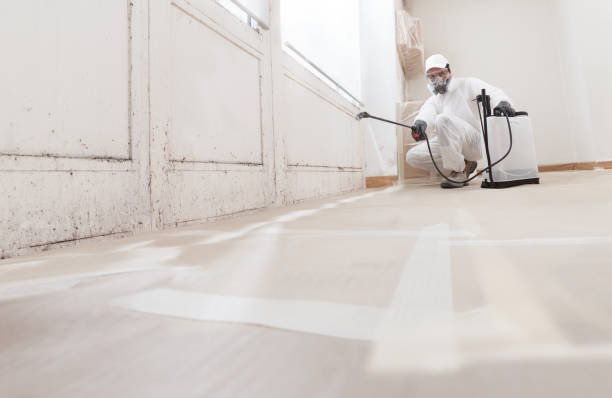
Perimeter pest control involves the application of pesticides or repellents around the exterior foundation of a home or property. This treatment targets common entry points such as:
– Windows
– Door frames
– Foundation cracks
– Vents and utility openings
The primary goal is to prevent crawling insects, such as ants, spiders, centipedes, and other pests, from entering your indoor spaces. The treatments are typically applied several feet out from the foundation and along vertical surfaces where pests may climb.
Key Benefits of Professional Perimeter Pest Control
- Early Prevention: Stops infestations before they begin by focusing on external barriers.
- Eco-Friendly Options: Many professional services offer low-toxicity or natural treatments that are safe for families and pets while still being effective against pests.
- Long-Lasting Results: High-quality products used by professionals can last longer compared to store-bought sprays or traps.
- Customized Solutions: Professionals assess your specific property needs, accounting for factors like structural vulnerabilities and local pest types.
- Reduced Indoor Chemical Use: By focusing on external barriers, fewer chemicals need to be applied inside your home.
Common Pests Targeted by Perimeter Treatments
| Pest Type | Examples | Entry Points Targeted |
| Crawling Insects | Ants, spiders, cockroaches | Foundation gaps, baseboards near walls |
| Flying Insects | Wasps, mosquitoes | Doors left open frequently |
| Seasonal Pests | Boxelder bugs, stink bugs | Window screens during migration seasons |
Why Choose Professionals Over DIY?
While some homeowners may opt for do-it-yourself solutions for perimeter treatment, professional services offer superior results due to their expertise in identifying problem areas and using specialized equipment and products that are not available to consumers.
Here’s why professionals stand out:
– They conduct thorough inspections of your property to identify hidden vulnerabilities.
– They use commercial-grade products designed for long-term protection.
– Professionals provide ongoing maintenance plans tailored to seasonal changes in pest activity.
Maintenance Tips Between Treatments
To maximize the effectiveness of perimeter pest control services and keep your home protected year-round:
– Seal cracks in walls and foundations promptly.
– Keep landscaping trimmed back at least two feet from the house foundation.
– Fix any leaks that could attract moisture-loving pests like termites or silverfish.
Professional perimeter pest control is an investment in maintaining a healthy living environment while minimizing costly repairs caused by invasive pests over time.
How Professional Perimeter Pest Control Services Can Safeguard Your Home
Protecting your home from pests is crucial to ensure the safety of your family, maintain the structural integrity of your property, and avoid costly damages. Professional perimeter pest control services offer a targeted approach that acts as a protective barrier around your home to ward off common pests before they become a problem. Here’s how these services can help safeguard your living space effectively.
What is Perimeter Pest Control?
Perimeter pest control focuses on creating an external defense system around the outside of your property instead of simply addressing infestations within the home. Licensed professionals treat areas such as:
– The foundation of the building
– Window and door frames
– Crawl spaces and basements
– Nearby soil, mulch, and vegetation
This proactive service method prevents pests such as ants, spiders, cockroaches, beetles, earwigs, and other invaders from gaining entry into your house in the first place.
Key Benefits of Professional Perimeter Pest Control
- Unlike traditional pest control methods that target problems after they arise inside the home, perimeter treatments stop pests at their source before they enter. This lowers the likelihood of significant infestations indoors.
- Many pest control firms now use environmentally friendly products that minimize harm to beneficial insects like bees while effectively deterring harmful ones. This ensures safety for households with children or pets while protecting the ecosystem.
- Professionals assess factors such as local climate conditions, vegetation, and pest activity in your area to tailor treatments specifically for your property’s needs—a level of expertise hard to achieve with DIY methods.
- Addressing pests early through perimeter protection reduces expenses caused by repairs or extensive indoor extermination later on.
Typical Steps Involved in Perimeter Pest Control Services
| Step | Description |
| Inspection | Experts evaluate potential entry points around windows, doors, vents, and foundation cracks for vulnerabilities. |
| Treatment Plan | Based on findings, technicians design a custom plan using specific products targeting likely invaders. |
| Outdoor Application | A chemical or natural product barrier is applied around structural perimeters (walls/foundations) and nearby landscaping. |
| Monitoring & Follow-Up | Regular visits ensure that the protective barriers remain effective over time. |
When Should You Consider Perimeter Pest Control?
Professional perimeter pest control services are ideal if you notice signs like:
– Recurring insect presence near entrances (doors/windows) despite basic maintenance
– Damage to outdoor structures or landscaping caused by burrowing insects or rodents
– Increased sightings of pests within crawl spaces or basements
Seasonal factors also play an essential role—spring/summer tend to bring heightened activity among ants/other insects where preventive solutions become particularly valuable.
By choosing this specialized service proactively rather than waiting until infestation occurs indoors—homeowners gain peace-of-mind knowing their property remains consistently protected year-round against unwelcome intruders without unnecessary risks associated w/ outdated techniques.
- Largo FL Pest Control Company: Understanding the Key Differences Between Pest Control and Extermination
- Comprehensive Guide to Pest Control Largo FL: Managing Rat and Mouse Infestations
- Effective Pest Removal Largo FL: Understanding Aphids and Their Impact on Plants
- Pest Control Largo FL: Queen Termite Facts and How to Manage Infestations
- Affordable Tips and Tricks for Effective Pest Control Largo FL
- Identifying the Causes and Signs of Pest Infestations in Pest Control Largo FL